
Chartering a Private Yacht in Barcelona in 2026: Day Boats, Sport Yachts and Superyachts Compared
Chartering a Private Yacht in Barcelona in 2026: Day Boats, Sport Yachts and Superyachts Compared
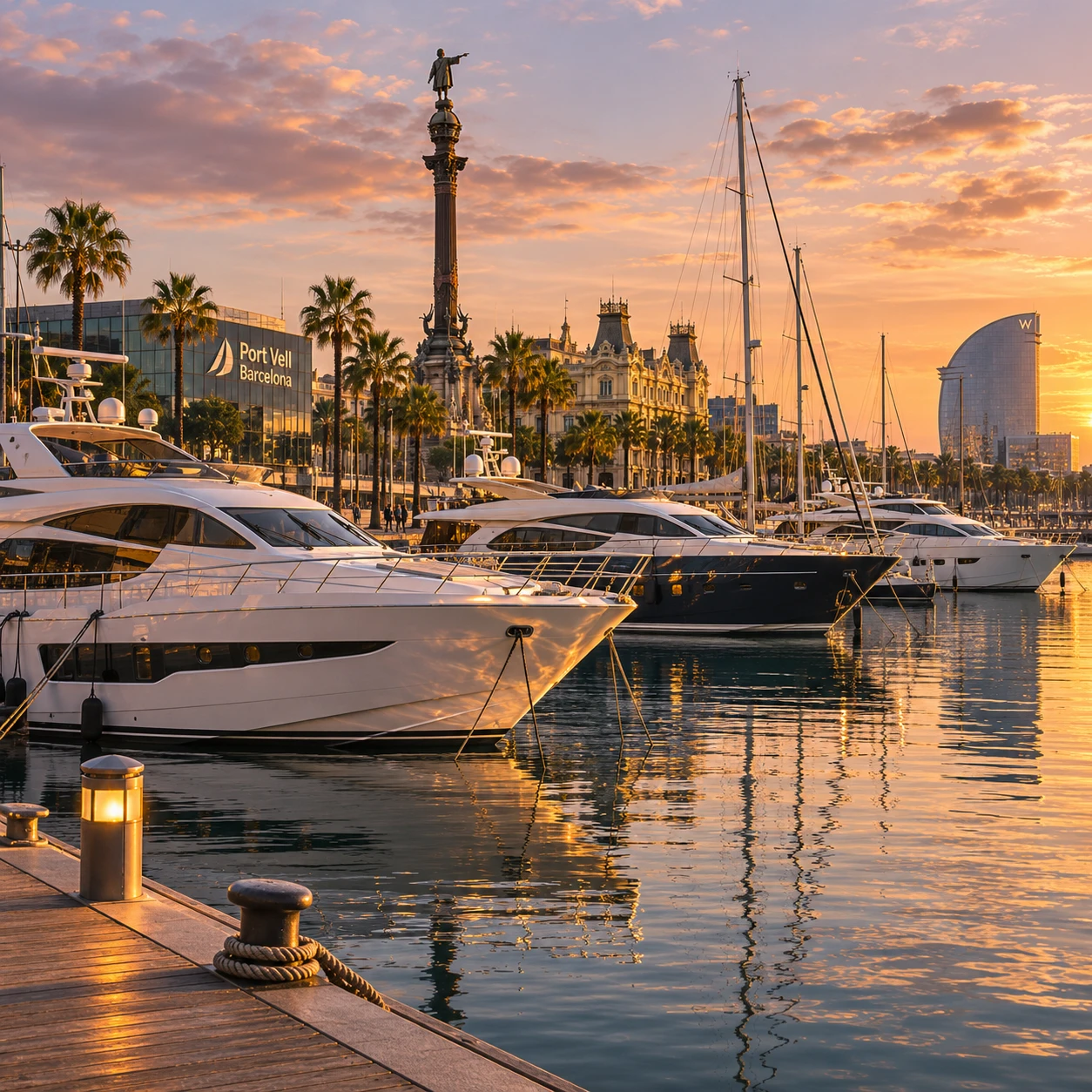
Thirty hours from Auckland to Barcelona. You dump the bags at some hotel near the Gothic Quarter, wander down to the Port Vell boardwalk because a mate swore the seafood was worth the walk, and then you stop dead in front of a row of white hulls. That's when it lands: 'yacht charter' is a phrase carrying an awful lot of luggage. The boat tied up on your left is barely bigger than a decent trailer boat back home. The one on the right has three decks, six crew and a jacuzzi.
Those aren't the same product. And the price gap between them isn't a scaled-up version of the same thing — it's a different kind of holiday altogether. Over the next few sections I'll walk through the three tiers you'll actually run into in Barcelona in 2026 — day boats, sport yachts, superyachts — and compare them on the stuff that matters to a New Zealand group: how the costs work, group size, licensing, sea conditions, and how far ahead you need to move. One day on the water slotted into a tight ten-day Europe loop is a different question from a milestone birthday spent a week at sea.
Why Barcelona Is Still the Best Mediterranean Base for a 2026 Charter
People treat Barcelona as a cruise port and a city-break stop. For chartering, though, it's one of the easiest bases on the Mediterranean. Twenty to thirty minutes from the dock to open water. Dozens of marinas — Port Vell, Port Olímpic, Marina Vela, Port Fòrum, and Port Ginesta down the coast — and a coastline sheltered enough that a modest swell doesn't automatically write off your day.
The real advantage is choice of geography. Head north-east and you're into the Costa Brava, all pine-covered cliffs and hidden calas, inside an hour or two. Head south-west and there's Sitges, the Garraf massif, and a run of swimming stops most day-trippers never get near. One base, two completely different coastlines. Pick according to the wind.
Seasons, Winds and the Best Months to Book
The Catalan sailing calendar is fairly predictable. May and June, then September and October — that's the sweet spot. Warm water, calmer seas, thinner crowds, noticeably softer pricing. July and August bring the heat, the peak rates and the busiest anchorages. The Tramuntana is the wind to respect; when it funnels down the coast it turns a pleasant afternoon into a lumpy ride, and a good operator will simply move your day rather than push through it. Afternoon sea breezes are the opposite — they build as the day goes on and are usually welcome by mid-afternoon.
Here's the happy accident for Kiwis. Our winter school holidays land in July, but our summer holidays in late December and January line up with Europe's low-to-shoulder season. Travel outside the NZ school-holiday block and you get better weather and better rates than the Northern Hemisphere crowd. Not a bad trade.
What 'Charter' Actually Means in Spain
Three words get used interchangeably, and they shouldn't be. A bareboat charter means you take the vessel out yourself. A skippered charter means a professional comes along and runs the boat while you do whatever you like. A crewed charter means skipper plus host or chef — the full-service version.
Bareboat is where New Zealanders get caught out. Spain wants a specific charter licence and qualification for bareboat hire, and a standard NZ recreational certificate — Coastguard boating qualification, Day Skipper, even an offshore cruising ticket — generally won't satisfy it. Add the language of the local paperwork and unfamiliar marina protocols, and the overwhelming majority of visitors sensibly go skippered or crewed. Bonus: you can actually enjoy the cava.
Day Boats — The Smart Choice for Smaller Groups and Short Trips
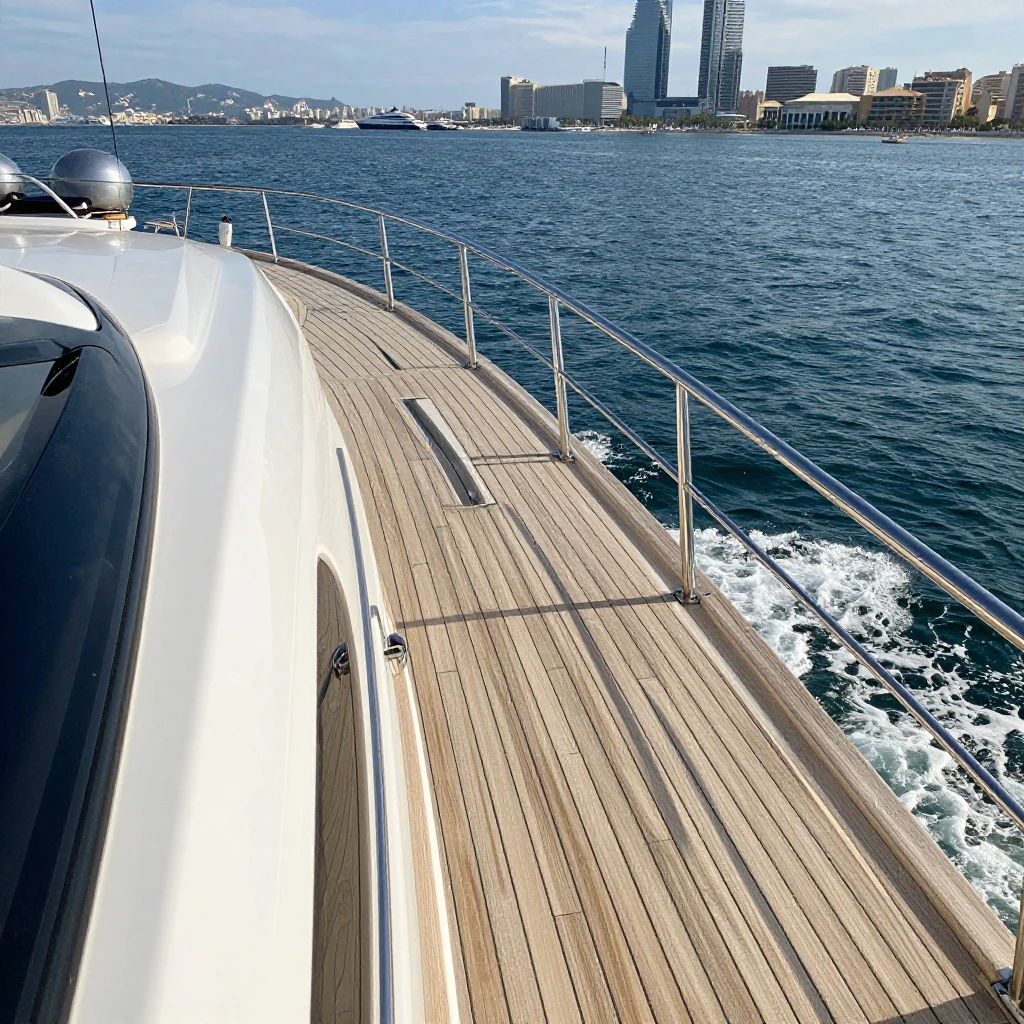
A day boat is typically six to twelve metres, carries six to eleven guests plus a skipper, and has no cabins. It's a platform for swimming, sunbathing, lunch, and getting out of the city for a few hours. Half-day or full-day hire. No overnighting.
It suits couples, small families, first-time charterers, and anyone on a packed itinerary who wants exactly one day on the water and doesn't need it to be a production.
Typical Costs, Inclusions and Routes
For 2026, expect a half-day on a modest day boat to sit in the low-to-mid hundreds of euros, with full days typically in the high hundreds to around a thousand or more, depending on size and season. Fuel is sometimes included and sometimes not — ask explicitly, don't assume. Skipper, towels, soft drinks, snorkelling gear and a paddleboard are commonly bundled; premium drinks and lunch usually aren't.
The classic routes are well worn for good reason. A swim stop off Barceloneta if you're short on time. The Garraf coast for clearer water and cliffs. A long lunch at anchor near Sitges. Or a push north to the first Costa Brava coves if you've booked a full day and the sea is flat. When you're ready to move from theory to an actual shortlist, you can see the current fleet and availability at https://barcelonaluxyachtcharter.es/day-boat/.
What to Expect Onboard
Be honest with yourself about what you're buying. A day boat is a picnic platform, not a floating hotel. Shade is limited unless there's a bimini or hardtop — check before booking if anyone in your group burns easily. Toilets exist but they're compact. Refrigeration means a cooler, not a galley. And if anyone is prone to motion sickness, take something before you board rather than after, and sit toward the stern.
Sport Yachts — Speed, Style and a Bigger Slice of the Coast
This is where the experience changes shape. Think twelve to twenty metres, twin engines, cruising speeds that make a Costa Brava run genuinely realistic inside a single day, generous sunpads, and a small cabin or two for shade, changing and stowing bags. Seakeeping is noticeably better in a swell too — that matters more than people expect on the return leg in the afternoon breeze.
Who Should Upgrade to a Sport Yacht
You're a group of eight to twelve. It's a milestone birthday or an anniversary. You've got three generations aboard and someone needs a shaded seat and a proper swim platform. Or you just want to reach the quieter coves beyond the city's immediate shoreline. In any of those cases the upgrade pays for itself. The extra distance is the real luxury — you're not sharing an anchorage with forty other boats.
Comparing Sport Yachts Before You Commit
Read the spec sheet the way you'd read a used-car listing. Engine hours tell you about wear. Cruising speed matters more than the top speed figure, which is a marketing number. Look at the sun-to-shade ratio, whether there's a tender and what toys are aboard, the sound system, and — critically — how experienced the skipper is on that specific model. A great skipper on an unfamiliar hull is worth less than a good skipper who knows the boat. You can compare hulls and layouts side by side when you browse sport yachts in Barcelona.
Superyachts — When the Vessel Becomes the Destination
Superyachts start around twenty-four metres and come with a professional crew: captain, chef, stewardesses, deckhands. Multiple decks, stabilisers, a full toy locker, often a jacuzzi. Different product, different booking process, and it should be approached that way.
Costs, Minimum Charters and Crew
Be clear-eyed here. Superyacht pricing in 2026 is quoted as a base rate — often weekly — plus APA (advance provisioning allowance), VAT, fuel, and a tip that typically runs five to fifteen percent of the base rate if the service warrants it. Plenty of Mediterranean superyachts work to weekly or multi-day minimums in peak season rather than taking single days. The base rate is not the budget. The budget is the base rate plus roughly twenty-five to thirty-five percent.
Planning a Superyacht Itinerary from Barcelona
A three-to-seven day itinerary out of Barcelona is genuinely special. North takes you through the Costa Brava's coves to Cadaqués and the Medes Islands. Longer charters open up a Palma crossing or Ibiza. Expect a guest preference sheet weeks in advance — dietary requirements, allergies, celebration plans, toy preferences — and expect provisioning to be handled by the crew. Lead times are long; the good boats are booked twelve months out for peak season. If you're weighing this tier, luxury superyacht hire Barcelona is the sensible starting point.
Side-by-Side Comparison: Choosing Your Vessel
- Group size: 2–6 people → day boat. 8–12 → sport yacht. 12+ → superyacht.
- Time available: one afternoon → day boat. A full day with real distance → sport yacht. Three days or more → superyacht.
- Budget per head: a day boat split six ways is often under €150 each. A sport yacht split ten ways lands somewhere around €200–350 each. A superyacht split twelve ways over a week frequently works out comparable per person per day — but the total commitment is five figures, not three.
- Experience priority: swimming and simplicity → day boat. Speed and coastline → sport yacht. Service and space → superyacht.
If you only remember one thing: match the boat to the group and the calendar, not to the photo on the website. The right answer for eight people on one free day is almost never the biggest boat you can afford.
Practical Tips for New Zealand Travellers
Booking Timing, Deposits and Cancellation Policies
Book two to four weeks out in the shoulder season; two to three months out for July and August. Deposits are typically 20–50 percent, with the balance due on the day. Read the weather-cancellation clause carefully — reputable operators reschedule or refund if conditions are genuinely unsafe, but 'it rained a bit' isn't a cancellation. Always pay by card, never bank transfer, so you keep consumer protection. And remember the ten-to-twelve hour time difference when emailing: your Monday morning is their Sunday night, so replies take a day longer than you'd expect.
Currency, Tipping and What to Bring
Budget in euros and assume the NZD conversion will feel unkind. Tipping isn't obligatory in Spanish charter the way it is in the US, but ten percent for good service on a crewed boat is appreciated. Bring reef-safe sunscreen, a hat that won't blow off, and a light layer for the return leg. Your NZ driver's licence is fine as ID at the marina office, but it isn't a boating qualification. And shoes come off on deck — that's not a suggestion.
Frequently Asked Questions
Do I need a licence to charter in Spain? Only for bareboat. Hire with a skipper and no qualification is required from you.
Can we bring our own food and drink? Usually yes on day boats and sport yachts; check with the operator. Crewed yachts handle provisioning through the APA.
What happens if the weather turns? Good operators reschedule or refund for unsafe conditions. Ask what the policy says in writing before you pay.
Are children and non-swimmers welcome? Yes — life jackets are provided and skippers are used to families. Mention non-swimmers when booking so they can plan swim stops accordingly.
How far ahead should I book in 2026? Two to three months for peak summer, earlier for superyachts.
Is a superyacht ever available for a single day? Occasionally in low season, but don't plan around it.
Conclusion — Matching the Boat to the Holiday
A Mediterranean trip from New Zealand is a serious investment of money, annual leave and long-haul stamina. The boat day is very often the thing people remember a decade later — more than the airport transit, more than the third cathedral. Getting it right matters more than getting it cheap. In two sentences: one spare day and a small group, take a day boat and spend the savings on dinner; want distance, shade and a bigger group, a sport yacht is the sweet spot; and if the boat itself is meant to be the holiday, go superyacht and start planning early.
For 2026 peak season, book early. The good hulls go first, and the difference between a great day on the water and a mediocre one is usually decided weeks before you board. Start with the day boats, compare upward, and pick the tier that fits the people you're travelling with.
